Snakes
Rough Earthsnake
Virginia striatula
Across the regions where it's common, the Rough Earthsnake peaks from February to May.
Shows up in 11 ecoregions and 8 states
Keep Herp Calendar free
Hi, I'm Nick. I built Herp Calendar on my own and I keep it free, with no ads. If it has helped you find a herp this season, a small tip goes straight into the hosting and the data work. Only if you can spare it. Either way, I'm glad you're here.
Snakes
Rough Earthsnake
Virginia striatula
Description
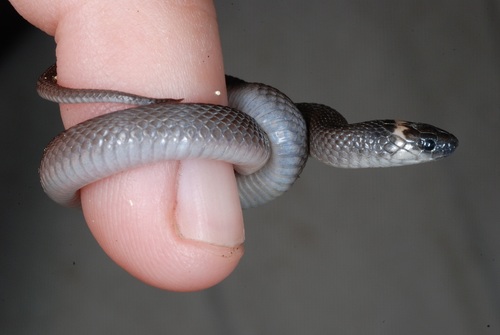
Virginia striatula (formerly Haldea striatula), commonly called the rough earth snake, is a species of nonvenomous natricine colubrid snake native to the Southeastern United States. Virginia striatula is a small, harmless, secretive, fairly slender snake, 7–10 inches (18–25 cm) in total length (including tail).Wikipedia ↗
Habitat
The species is found in a variety of forested habitats with plenty of ground cover, as well as in many urban areas.Wikipedia ↗
When it's active
It is also viviparous, giving birth to 3 to 8 live young in mid-summer. It feeds almost exclusively on earthworms, although slugs, snails, sow bugs, insect eggs and larvae have also been found in the stomach.Wikipedia ↗
When and where it's active
Each row is its own calendar, counted from records in that area. Seasons shift by place.
Ecoregions
States
About the Rough Earthsnake
When is the Rough Earthsnake most active?
Across the regions where it's common, the Rough Earthsnake peaks from February to May.
Where does the Rough Earthsnake live?
It has enough records to show in 11 ecoregions and 8 states, including Arkansas, Louisiana, Mississippi, and Missouri.